Italian Food Watercolor Clipart for Embroidery
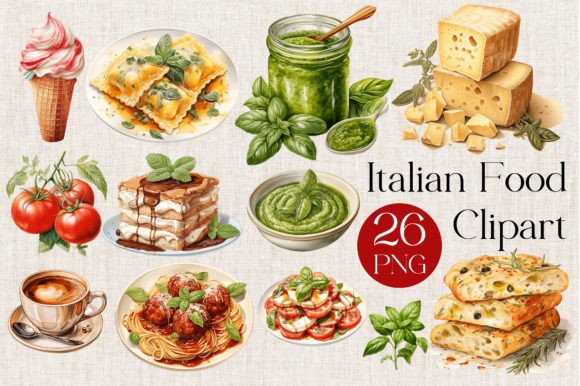
When I first opened the folder for Italian Food Watercolor Clipart, I wasn't just looking at digital illustrations; I was mentally digitizing them. As an embroidery designer and product reviewer, my immediate reaction to any artwork is whether it can survive the translation from screen to stitch. This collection captures a rustic, authentic mood that feels perfect for culinary-themed projects, but the watercolor aesthetic presents unique challenges and opportunities for machine embroidery. The soft edges and blended tones typical of this art style require a thoughtful approach to digitizing to ensure the final embroidered patch or custom apparel retains that hand-painted charm without becoming a muddy mess of thread.
Translating Painted Textures to Thread
The visual personality of these illustrations leans heavily into warmth and nostalgia. You see vibrant tomatoes, fresh basil, golden pasta, and crusty bread rendered with a fluidity that suggests movement and freshness. For an embroidery project, this means we cannot rely on standard block fills. To honor the source material, the digitizing process must utilize complex fill stitches with varying densities and directional changes to mimic brushstrokes. A flat satin stitch will kill the organic vibe of Italian Food Watercolor Clipart. Instead, I look for or create designs that use layered running stitches and textured fills to build depth.
In a recent test scenario, I prepared a custom embroidered tote bag for a boutique client specializing in artisanal olive oils. The goal was to create a reusable market bag that felt high-end yet approachable. Using a pasta illustration from this set, I evaluated how the colors interacted on natural canvas. Watercolor clipart often relies on transparency, which is impossible in traditional embroidery. We had to simulate that lightness by leaving negative space between stitch areas and using lighter thread colors as a base layer. The result was a tote bag design that looked painted rather than manufactured, significantly increasing the perceived value of the handmade product.
Best Applications for Culinary Stitch Art
This collection shines brightest when applied to items where texture and warmth are selling points. Based on my evaluation, Italian Food Watercolor Clipart performs exceptionally well in specific commercial embroidery contexts:
- Kitchen Linens and Aprons: Tea towels and aprons provide a stable, woven foundation that supports the moderate density required to replicate watercolor effects. The theme aligns perfectly with the function, making these top sellers for Etsy sellers and craft business owners.
- Boutique Apparel: Sweatshirt embroidery featuring a small, off-center placement of a lemon or herb sprig creates a trendy, minimalist aesthetic. The softness of the art balances the casual nature of fleece fabrics.
- Personalized Gifts: For wedding favors or housewarming gifts, these illustrations add a bespoke touch. An embroidered patch featuring a wine bottle or pizza slice can be customized with names, turning generic clipart into a meaningful keepsake.
- Nursery and Baby Items: Surprisingly, softer food illustrations work beautifully for baby embroidery on blankets or bibs, provided the stitch count is managed to keep the fabric flexible and safe against sensitive skin.
For digital product sellers, these assets also serve as excellent printable mockups. Showing potential customers how the art translates to a finished product helps bridge the gap between digital download and physical reality, boosting buyer engagement and trust.
Navigating Fabric Limitations and Stabilizer Choices
While the aesthetic is versatile, the technical execution requires caution. Watercolor-style machine embroidery designs are inherently more detailed than cartoon or line-art styles. This makes fabric selection critical. I strongly advise against using these designs on highly textured fabrics like terry cloth or thick ribbed knits unless you are doing applique design work. The texture of the fabric will compete with the simulated paint texture of the stitches, resulting in a loss of clarity.
Stretchy fabrics present another hurdle. If you are planning sweatshirt embroidery or t-shirt projects, you must use a heavy-duty cut-away stabilizer. The multiple layers of thread needed to achieve color blending can cause puckering if the fabric isn't adequately supported. During my review, I noted that darker fabrics pose a risk as well. Watercolor art usually assumes a white background. Stitching these onto black or navy garments requires an underlay of white thread to act as a canvas, which adds significant stitch density. Always check your hoop size and machine capabilities before attempting this on dark garments, as the added bulk can break needles or distort the design.
Quality Control for Commercial Success
For small shop products and commercial embroidery, consistency is key. Before listing any finished product derived from Italian Food Watercolor Clipart, rigorous testing is non-negotiable. I recommend stitching out the design on scrap fabric identical to your final product. Check the thread color contrast under natural lighting; what looks vibrant on a monitor may appear dull in cotton thread. Review the stitch density to ensure the fabric doesn't become bulletproof. A stiff, dense design on a lightweight tea towel will drape poorly and disappoint customers.
Also, verify the licensing terms included with the digital embroidery file. Just because you purchased the clipart does not automatically grant rights to sell mass-produced merchandise or redistribute the digitized files. Confirm whether the license covers personal use, small business sales, or commercial manufacturing. This protects your craft business from legal issues and ensures you are respecting the original illustrator's work.
Designer Notes for Optimal Results
To get the most out of these illustrations in your embroidery workflow, keep these practical tips in mind:
- Test in Black and White: Before committing to color, view your digitized file in grayscale. This reveals whether the design has enough tonal contrast to be readable without relying solely on hue differences.
- Mind the Small Details: Watercolor edges are soft, but needles are precise. Avoid tiny lettering or intricate corners smaller than 1mm, as they will get lost or cause thread breaks. Simplify the edges during digitizing to maintain clean outlines.
- Stabilizer Strategy: Use a tear-away stabilizer for stable wovens like canvas or denim, but switch to a no-show mesh cut-away for knits and stretchy apparel to prevent distortion over time.
- Thread Selection: Matte threads often replicate the watercolor look better than high-sheen rayon or polyester. Consider variegated threads to capture color gradients within a single stitch area.
- Mockup Verification: Create realistic mockups showing the design on the actual product type. This helps identify scaling issues before you waste materials and sets accurate expectations for buyers.
Italian Food Watercolor Clipart offers a beautiful foundation for creating distinctive, emotionally resonant embroidery products. By respecting the technical demands of translating paint to thread and choosing applications that highlight its rustic elegance, makers can elevate their offerings beyond standard stock designs. Whether you are crafting a personalized gift or building a brand around culinary aesthetics, success lies in balancing artistic vision with mechanical precision. Always prioritize test stitches and fabric compatibility to ensure your finished product delivers the quality your customers expect.