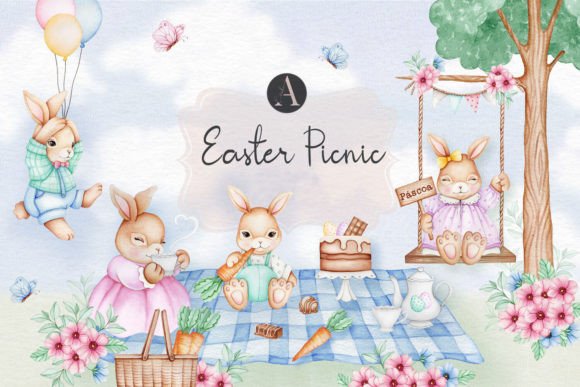
Easter Picnic Clipart Watercolor: An Embroidery Review
As a professional embroidery designer and product reviewer, I approach every new digital asset with a specific question: will this actually stitch out beautifully on fabric? When evaluating the Easter Picnic Clipart Watercolor collection, my focus shifts immediately from screen aesthetics to needle performance. While these illustrations are undeniably charming in their digital form, translating watercolor art into a machine embroidery design requires careful consideration of stitch density, fabric texture, and overall composition. This review breaks down how this specific clipart set performs when moved from a digital folder to a physical hoop, specifically for makers and small business owners planning their spring inventory.
First Impressions and Design Translation
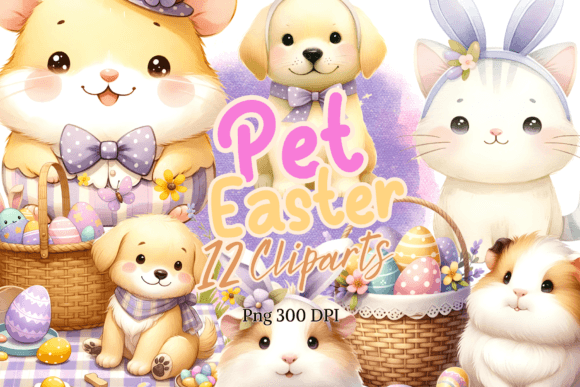
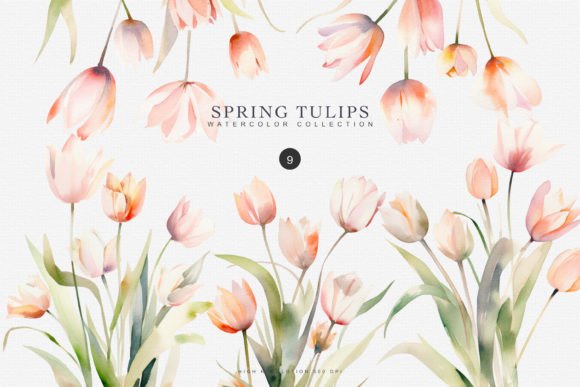
My initial assessment of the Easter Picnic Clipart Watercolor is that it captures a soft, nostalgic mood perfect for spring merchandise. The visual personality leans towards vintage storybook aesthetics rather than bold, modern graphics. For an embroidery project, this is significant. Watercolor edges are inherently soft and blended, which contrasts with the precise nature of thread. As illustrations, they offer excellent variety, but as embroidery assets, they demand a digitizing strategy that respects the original art without creating a bulletproof patch of dense stitches.
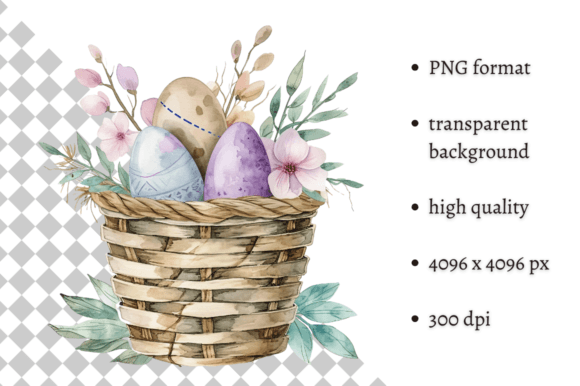
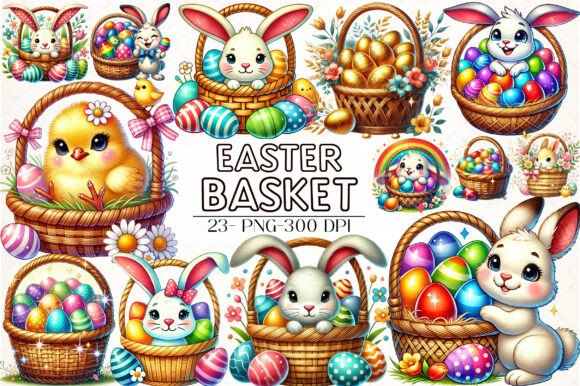
The layout of these designs generally favors organic shapes—baskets, bunnies, eggs, and floral accents. This is advantageous for apparel decorators because organic edges forgive minor registration shifts better than rigid geometric borders. However, the "watercolor" aspect implies color blending. In a digital embroidery file, this usually translates to either high-density fill stitches or specialized shading techniques. Before purchasing or using, you must determine if the files provided are pre-digitized for embroidery or if they are raw raster images intended for sublimation or applique foundations. If they are raw illustrations, expect to spend time converting them into viable stitch paths.
Real-World Application: The Custom Tote Bag Test
To truly evaluate this collection, I mentally simulated a real-life scenario: creating a premium canvas tote bag for a boutique Easter market. Tote bags are a staple handmade product, but unstructured canvas can be unforgiving. I envisioned placing a central Easter Picnic Clipart Watercolor motif featuring a woven basket and scattered wildflowers on a natural cotton canvas.
In this context, the design’s success hinges on contrast and stabilization. Watercolor-style embroidery often uses lighter pastel thread colors. On natural canvas, these shades can disappear if the stitch density is too low. I found that for this specific application, the design works best when paired with a darker fabric background or when utilizing an applique design technique where the watercolor element is printed fabric stitched down with a satin stitch border. This preserves the delicate watercolor look without requiring thousands of fill stitches that could distort the bag’s drape. For Etsy sellers, this hybrid approach adds perceived value; customers appreciate the mixed-media look that feels more artisanal than a standard stock design.
Fabric Compatibility and Technical Limitations
Not every fabric is a suitable canvas for watercolor-style embroidery. Through experience, I have identified specific environments where the Easter Picnic Clipart Watercolor requires caution:
- Stretchy Knits and Sweatshirts: Watercolor effects rely on subtle color transitions. On stretchy French terry or fleece, the fabric movement during stitching can cause misalignment in these delicate details. If using this for sweatshirt embroidery, you must use a heavy-weight cutaway stabilizer and potentially a topping to keep the stitches crisp.
- Textured Linens and Tea Towels: While aesthetically appropriate, the weave of linen can swallow fine running stitch details meant to mimic brush strokes. You may need to increase stitch length or add an underlay to prevent the design from sinking into the fabric texture.
- Dark Fabrics: Unless the embroidery file includes a white underbase or light-colored outline, the pastel watercolor tones will lack vibrancy on navy or black garments. Always test on a scrap of your actual dark fabric before committing to a full production run.
- Curved Surfaces like Caps: The panoramic or wide layouts often found in picnic themes do not translate well to the curved, limited field of a cap hoop. Stick to centered, compact elements from the collection for headwear.
Commercial Viability for Makers and Sellers
For creative entrepreneurs and craft business owners, the Easter Picnic Clipart Watercolor offers strong commercial potential, provided it is executed correctly. The "picnic" theme has broad appeal across demographics, making it safe for everything from baby embroidery on bibs to sophisticated kitchen linens. However, buyer engagement depends on presentation. Because watercolor embroidery is texture-heavy, flat photos often fail to capture the dimensionality of the finished product.
I strongly recommend investing time in high-quality photography or realistic printable mockups that show the stitch texture. Customers trust what they can visualize. If selling digital embroidery files derived from these illustrations, transparency is key. Clearly state whether the file uses complex shading that requires specific thread brands or high stitch counts. For those selling finished goods, this design collection supports brand consistency. Using cohesive illustrations across aprons, pillow covers, and personalized gifts creates a recognizable shop aesthetic that encourages repeat purchases. Just ensure you verify the licensing terms regarding commercial use of both the source illustrations and any derivative embroidery files.
Essential Designer Notes for Success
Before you thread your needle or list a new item, adhere to these practical guidelines to ensure the Easter Picnic Clipart Watercolor meets professional standards:
- Verify File Specifications: Never assume compatibility. Check the exact hoop size requirements and format compatibility for your machine. Watercolor designs can vary wildly in size; ensure the dimensions fit your intended blank without excessive resizing, which degrades stitch quality.
- Test Stitch Density: Run a test sew-out on scrap fabric identical to your final project. Inspect the back of the embroidery; excessive bobbin thread showing on top indicates tension issues or density problems common in shaded areas.
- Evaluate Thread Color Contrast: View your thread selection in natural light. Pastels that look distinct on a monitor may blend together in thread. Ensure there is enough value contrast between adjacent colors so the watercolor effect reads clearly from a distance.
- Stabilizer Selection is Non-Negotiable: Do not skimp here. For lightweight fabrics, use a fusible mesh stabilizer to prevent puckering around detailed corners. For towels or plush items, use a water-soluble topping to keep stitches above the pile.
- Mockup Testing: Before listing a personalized gift or custom apparel item, create a black and white mockup alongside a color version. This helps you judge if the design relies too heavily on color to define its shape. A good embroidery design should be recognizable even in monochrome.
- Licensing Confirmation: Double-check whether the license allows for the sale of physical embroidered products versus digital files. Many illustration licenses differ significantly between personal crafting and commercial merchandise production.
Ultimately, the Easter Picnic Clipart Watercolor is a versatile asset for the thoughtful maker. It bridges the gap between digital art and tactile craft, offering a unique opportunity to create heirloom-quality holiday items. By respecting the technical limitations of translating paint to thread and validating the design through rigorous testing, you can transform these charming illustrations into profitable, professional-grade embroidery projects that delight customers and elevate your brand.