Watercolor Victorian Furniture Illustrations for Editorial Design
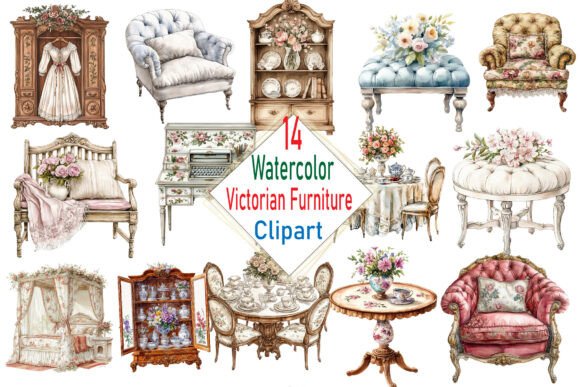
As a digital publisher and blog designer, I constantly evaluate graphic design assets not just for their aesthetic beauty, but for their functional utility in a real content workflow. When I first opened the Watercolor Victorian Furniture Clipart collection, my immediate assessment was focused on editorial mood and niche alignment. This asset does not scream generic stock photography; instead, it whispers heritage, craftsmanship, and curated elegance. The hand-painted texture creates an instant sense of nostalgia and warmth that is notoriously difficult to achieve with modern vector art or AI-generated imagery.
For publishers in the home decor, antique restoration, historical fiction, or cottagecore niches, this clipart establishes immediate reader trust. It signals that the content is thoughtful and researched rather than mass-produced. From a web design perspective, the soft edges and organic watercolor bleeds provide a necessary visual break from rigid grid layouts, making it an exceptional choice for lifestyle-focused blogs that need to balance professional readability with artistic charm.
Elevating Blog Graphics and Featured Images
In my daily publishing workflow, the featured image is the single most critical element for click-through rates. The Watercolor Victorian Furniture Clipart excels here because it offers distinct silhouettes that remain readable even when overlaid with headline text. Unlike complex photographs where text can get lost in busy backgrounds, these illustrations provide natural negative space. I tested several pieces as blog graphics for an affiliate marketing post about vintage interior styling, and the results were visually superior to standard product photos.
When creating Pinterest pin designs, vertical real estate is precious. These furniture illustrations anchor the bottom or top third of a pin perfectly, leaving ample room for bold typography. The intricate details of the Victorian style draw the eye without competing with the value proposition in your headline. For content creators using Canva templates, these assets are easily layered over solid colors or subtle paper textures to create cohesive social media graphics that stop the scroll. The key is treating them as focal points rather than background noise, ensuring your visual hierarchy guides the viewer directly to your call to action.
Strengthening Brand Identity Through Digital Products
Beyond blog posts, this graphic design asset shines in the creation of monetizable digital products. If you are developing a lead magnet, such as a "Guide to Sourcing Authentic Antiques" or a "Vintage Home Renovation Checklist," these illustrations add perceived value. A plain PDF feels like a document; a PDF adorned with Watercolor Victorian Furniture Clipart feels like a premium resource. This distinction is vital for conversion optimization in email marketing funnels.
I have found that printable design requires high-resolution clarity, and this collection maintains its integrity at print sizes. Whether used as decorative borders in a digital guide or as standalone art in a printable wall art bundle, the watercolor texture translates beautifully to physical paper. For small business branding, incorporating these consistent illustrative elements across your website header, newsletter banners, and eBook covers creates a unified brand identity. Readers begin to associate this specific artistic style with your expertise, reinforcing recognition across all touchpoints of your content marketing strategy.
Strategic Placement for Maximum Editorial Impact
Knowing where to place a design asset is just as important as selecting it. In my editorial design practice, I reserve these illustrations for moments that require emotional resonance. They work best as hero images for category pages, decorative accents beside pull quotes, or visual dividers between long-form content sections. For affiliate marketers reviewing specific furniture styles, placing a relevant clipart illustration next to the product review adds context and atmosphere that a sterile white-background product shot cannot convey.
However, caution is required in certain applications. I would avoid using these detailed illustrations as tiny mobile thumbnails or favicons, as the delicate watercolor lines will disappear at low resolutions. Similarly, if your website relies on a stark, ultra-minimalist corporate aesthetic, these ornate Victorian elements may feel disjointed. They also struggle against low-contrast backgrounds; always ensure sufficient whitespace or a solid backing color to preserve legibility. In text-heavy educational articles, use them sparingly to prevent cognitive overload. The goal is to enhance readability, not distract from the information architecture.
Publisher Workflow Notes and Technical Best Practices
Before integrating Watercolor Victorian Furniture Clipart into any live project, I run through a strict quality assurance checklist. First, always test the asset on both desktop and mobile viewports. What looks elegant on a 27-inch monitor may appear cluttered on a smartphone screen. Second, verify the commercial license. If you plan to use these in paid digital downloads, client work, or monetized affiliate pages, confirm that your licensing tier permits commercial design usage. Ethical publishing protects both your business and the original artist.
Technical performance is non-negotiable for SEO. Watercolor files can be large due to complex color gradients. Always compress images properly before uploading to your CMS to maintain fast load times. I recommend testing the illustrations in black and white to ensure they hold up in grayscale printing or accessibility modes. Finally, experiment with typography pairings. These illustrations naturally complement serif fonts for a traditional look, but pairing them with a clean sans-serif or modern display font can create a striking contemporary-traditional fusion that defines a unique creative design voice.
- Contrast Check: Ensure text overlays meet WCAG accessibility standards when placed over watercolor textures.
- File Format: Use PNGs with transparent backgrounds for layering in web design and JPEGs for photographic blog graphics.
- Consistency: Stick to one or two specific pieces from the set per page to maintain visual cohesion.
- Licensing: Document your commercial license receipt for future audits on monetized sites.
- Mobile Testing: Preview newsletter headers and social media previews on actual devices, not just browser simulators.
Final Verdict for Content Creators
The Watercolor Victorian Furniture Clipart collection is more than just decoration; it is a strategic tool for publishers who understand that visual storytelling drives engagement. It bridges the gap between historical authenticity and modern digital presentation, offering a versatile solution for everything from Pinterest pins to premium digital guides. By applying thoughtful editorial design principles and respecting technical constraints, content creators can leverage these illustrations to build stronger reader connections, improve site aesthetics, and ultimately support a more profitable and professional publishing business. In a crowded creative marketplace, assets that offer both beauty and functional versatility are invaluable investments for serious digital entrepreneurs.