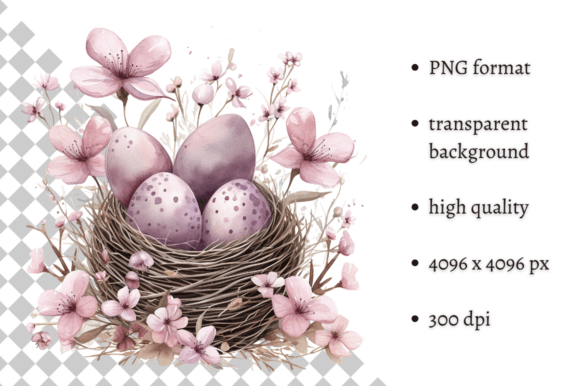
Watercolor Lavender Easter Eggs Clipart: Editorial Illustrations
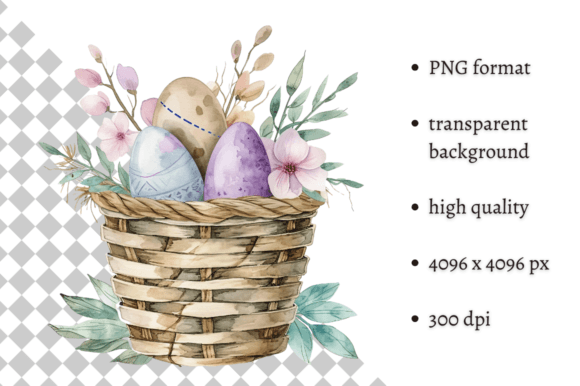
As a digital publisher and blog designer, my first interaction with any graphic design asset is always a critical assessment of its editorial viability. When I opened the Watercolor Lavender Easter Eggs Clipart file for review, the immediate impression was one of soft sophistication rather than childish novelty. In the crowded space of seasonal content, this distinction is vital. The color palette leans into muted purples and sage greens, creating a mood that feels lifestyle-focused, feminine, and intentionally modern. This is not merely decorative clip art; it functions as a legitimate editorial design element capable of elevating a content website from amateur to professional.
For publishers in the home decor, parenting, faith-based, or wellness niches, this asset communicates a specific tone before the reader processes a single word of text. It suggests calmness and curated aesthetics. From a visual hierarchy perspective, the watercolor texture provides enough visual weight to anchor a layout without competing aggressively with headline typography. This balance is exactly what we look for when sourcing illustrations for high-traffic seasonal campaigns where trust and aesthetic appeal directly correlate to time-on-page metrics.
Deploying Assets Across the Content Ecosystem
In a real publishing workflow, versatility determines the ROI of a digital download. I tested the Watercolor Lavender Easter Eggs Clipart across multiple touchpoints in our content management system. As a featured image for a blog post about spring tablescapes or Lenten devotionals, the individual egg elements allowed for custom composition. Unlike rigid pre-made templates, these isolated illustrations let designers control negative space, ensuring headlines remain legible on both desktop and mobile viewports.
The asset proved exceptionally strong for Pinterest pin creation. Vertical graphics require clear focal points, and the organic shapes of the lavender eggs guide the eye naturally toward text overlays. For content marketing strategies relying on Pinterest traffic, this style avoids the "spammy" look of oversaturated stock photos. Furthermore, I integrated these elements into a newsletter header for a spring campaign. The soft edges rendered beautifully against white email backgrounds, maintaining brand consistency without increasing file size significantly—a crucial factor for email deliverability and load times.
Beyond standard web use, this clipart serves as a foundational element for monetizable design assets. I can easily envision repurposing these illustrations for a lead magnet, such as a printable Easter activity guide or a digital devotional. When creating a Canva template for affiliate partners or team members, having cohesive, high-resolution watercolor elements ensures that every output maintains a unified brand identity. Whether used for social media graphics, eBook covers, or worksheet borders, the artistic quality supports premium positioning for paid products.
Strategic Placement for Maximum Editorial Impact
Understanding where a creative design element performs best is just as important as knowing how to use it. Based on my testing, Watercolor Lavender Easter Eggs Clipart excels in specific editorial environments:
- Hero Images: Use clustered arrangements to create asymmetric headers that frame central titles effectively.
- Category Thumbnails: Perfect for "Spring," "Holidays," or "Crafts" archive pages to provide instant visual recognition.
- Digital Guides: Ideal for section dividers in PDF downloads to break up text-heavy educational content.
- Affiliate Marketing Visuals: Softens the commercial intent of product roundups, making recommendations feel more personal and less transactional.
- Website Header Accents: Subtle placement in navigation bars or footers adds seasonal relevance without overwhelming site usability.
However, experienced publishers must also recognize limitations. This asset requires careful handling in certain contexts. Avoid using these detailed watercolors as tiny mobile thumbnails; the intricate brushwork will muddy at small sizes. Similarly, exercise caution when placing them over busy photographic backgrounds or dark modes unless significant contrast adjustments are made. For serious corporate communications or financial content, the whimsical nature of these illustrations may undermine authority. Always prioritize readability and user experience over decoration.
Technical Workflow and Licensing Considerations
Before integrating Watercolor Lavender Easter Eggs Clipart into a live production environment, I run through a strict technical checklist. Visual appeal means nothing if the asset degrades site performance or violates usage terms. First, verify the commercial license. If you plan to use these in a digital product for sale, a monetized blog, or affiliate marketing materials, standard personal licenses are insufficient. Confirm that the creator permits commercial application and modification, especially if incorporating the art into templates for resale.
Next, optimize for web performance. Raw PNG files from creative marketplaces are often too large for direct web use. I recommend compressing images to under 150KB for inline content while retaining higher resolutions for printable design resources. Test the asset in grayscale to ensure value contrast holds up for accessibility compliance. Finally, pair the clipart with appropriate typography. These watercolors harmonize beautifully with elegant serifs and delicate scripts but can clash with heavy industrial sans-serifs. Conduct A/B tests on blog graphics to see which font combinations yield better engagement.
Elevating Brand Trust Through Cohesive Design
Ultimately, the value of Watercolor Lavender Easter Eggs Clipart lies in its ability to strengthen small business branding through consistency. Readers develop trust when visual language remains stable across platforms. When your website header, Instagram stories, and downloadable worksheets share the same artistic DNA, you signal professionalism. This asset bridges the gap between DIY crafting and polished modern design.
For content creators building an audience around lifestyle, faith, or family topics, investing in high-quality seasonal design assets is a strategic move. It reduces the friction of content creation while raising the perceived value of your platform. By treating this clipart not just as a picture, but as a functional component of your web design system, you transform simple decoration into a powerful tool for connection and conversion. Always remember that in digital publishing, every pixel should serve a purpose, and these lavender illustrations serve the dual purpose of delighting the reader while supporting your broader editorial goals.