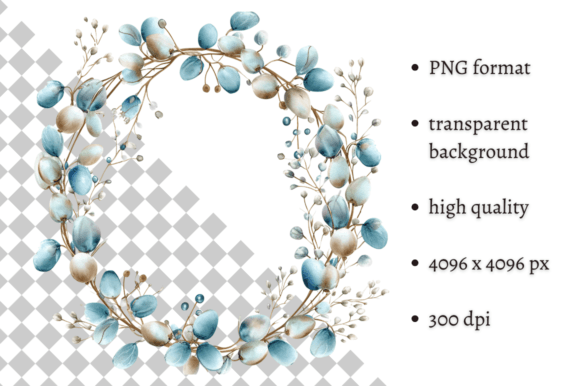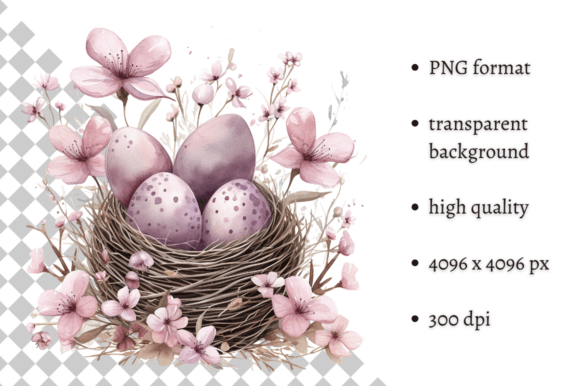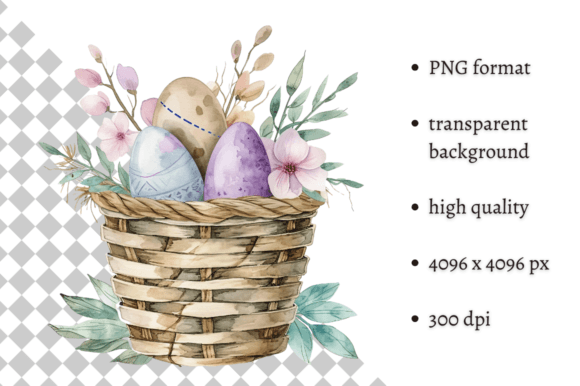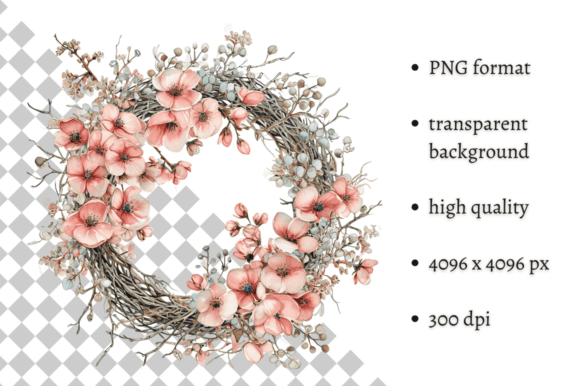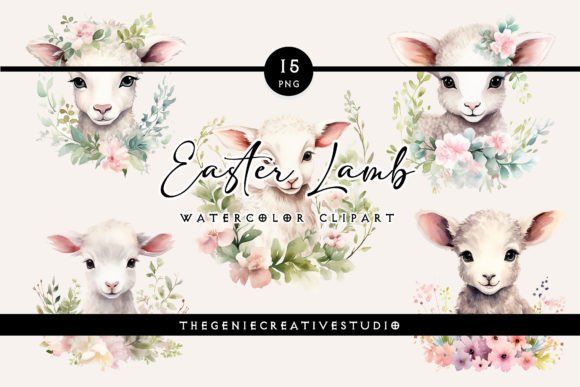
Watercolor Easter Bunny Wreath Clipart Illustrations
As a digital publisher who manages multiple seasonal content calendars, my first impression of the Watercolor Easter Bunny Wreath Clipart was one of immediate editorial utility. In the crowded space of spring content, it is easy for visuals to become overly saturated or cartoonish, which can alienate an adult demographic looking for sophisticated lifestyle inspiration. This specific graphic design asset strikes a necessary balance between whimsy and elegance. The watercolor texture provides an organic softness that signals handcrafted quality, while the wreath composition offers a built-in frame for negative space. For a blogger or website owner, this negative space is just as valuable as the illustration itself, as it dictates where headlines and calls to action can live without competing with the artwork.
The mood established by these illustrations is distinctly feminine, nostalgic, and clean. It avoids the chaotic energy often associated with holiday clipart, making it suitable for high-end affiliate marketing blogs, parenting websites, and creative entrepreneurs selling digital products. When I evaluate assets for real-world publishing, I look for versatility over novelty. This asset feels like a foundational piece of brand identity for the season rather than a disposable decoration. It suggests a narrative of gentle celebration and traditional craftsmanship, which helps build reader trust before they even engage with the written content.
Strategic Applications Across Publishing Workflows
In a practical publishing workflow, the Watercolor Easter Bunny Wreath Clipart serves as a multi-functional anchor for visual communication. Its primary strength lies in its adaptability across different aspect ratios and content formats. For blog graphics and featured images, the circular nature of the wreath naturally draws the eye toward the center, creating a focal point that supports strong visual hierarchy. I have found that placing title text within or directly adjacent to the wreath structure significantly improves click-through rates on category pages because the eye is guided logically from image to headline.
For Pinterest pin creation, this asset is particularly effective. Vertical pins require distinct zones for imagery and text to perform well in the algorithm. The wreath acts as a visual container that breaks up solid color backgrounds, adding depth and interest without overwhelming the key keywords overlaid on the graphic. When designing Canva templates for clients or internal use, this clipart can be locked as a background element to ensure consistent branding across dozens of unique pins. Similarly, for newsletter creators, using this asset as a header graphic sets a warm, welcoming tone that increases open rates and engagement time. It signals to subscribers that the email contains curated, thoughtful content rather than a generic sales blast.
Beyond standard web design, this asset excels in supporting monetization strategies. If you are creating a lead magnet, such as a printable Easter activity guide or a spring planning checklist, the Watercolor Easter Bunny Wreath Clipart elevates the perceived value of the digital download. A polished cover creates an expectation of quality for the content inside. For affiliate marketers promoting home decor or craft supplies, this illustration provides a cohesive aesthetic wrapper that ties together disparate product photos into a unified editorial layout. It transforms a list of links into a curated shopping experience.
Enhancing Reader Trust Through Editorial Consistency
Visual consistency is a cornerstone of successful content marketing. Readers subconsciously associate professional design with authoritative information. When the Watercolor Easter Bunny Wreath Clipart is used systematically across website headers, social media graphics, and downloadable resources, it reinforces a cohesive brand identity. This repetition builds familiarity. In my experience testing various spring assets, those with a refined watercolor style tend to retain users longer than clip-art styles, which can sometimes signal low-effort content. The artistic quality here implies that the publisher cares about details, which translates to trust in the advice, reviews, or products being presented.
Furthermore, this asset supports clearer category recognition. On sites with extensive archives, seasonal icons help users navigate quickly. Using this specific wreath style as a thumbnail marker for all Easter-related posts creates a visual shorthand. Users learn to associate this specific illustration with your spring content cluster, improving site navigation and reducing bounce rates. This level of intentional editorial design separates hobbyist blogs from serious digital publications.
Optimal Placement and Contextual Awareness
While versatile, the Watercolor Easter Bunny Wreath Clipart performs best in specific environments. It shines as a hero image on landing pages dedicated to spring collections, where the ample whitespace allows the delicate brushwork to breathe. It is also ideal for digital product covers, eBook titles, and worksheet headers where the central focus needs to be decorative yet unobtrusive. For social media previews, specifically Instagram squares or Facebook link shares, the centered composition ensures the main subject remains visible even when cropped by platform algorithms.
However, publishers must exercise caution in certain contexts. Due to the intricate details of watercolor edges, this asset can lose definition at very small mobile thumbnail sizes. If your blog theme uses tiny post excerpts in a grid layout, test the legibility first; the bunny details may blur into a generic shape. Additionally, avoid using this asset on text-heavy blog images where readability is paramount. The texture of watercolor can sometimes reduce contrast against certain font colors, making accessibility difficult. It is also less suited for corporate B2B content or serious financial niches where playful seasonal imagery might undermine professional authority. Always match the visual tone to the user intent of the specific page.
Publisher Notes: Technical Testing and Licensing
Before integrating the Watercolor Easter Bunny Wreath Clipart into a live production environment, rigorous testing is non-negotiable. I always recommend previewing the asset inside your actual blog layout, not just in a design tool. Check how the transparency renders against your specific site background color. Test headline pairings with serif, sans-serif, and script fonts to ensure the watercolor texture does not clash with typeface details. Crucially, review the file size. High-resolution watercolor files can be heavy; compress them properly to maintain web performance and Core Web Vitals scores without sacrificing print quality for downloadable resources.
Finally, verify the commercial license terms before use. If you plan to include this asset in a paid digital guide, a membership site, or an affiliate landing page, you must confirm that the licensing permits commercial design usage. Many creative marketplace assets restrict use to personal projects or require extended licenses for products intended for resale or mass distribution. As a responsible publisher, respecting intellectual property protects your business from legal risk and supports the artists who create these essential design assets. By treating this clipart as a strategic component of your content infrastructure rather than mere decoration, you maximize both its aesthetic value and its return on investment for your digital publishing goals.