Watercolor Valentine's Roller Skates: A Stitch Test
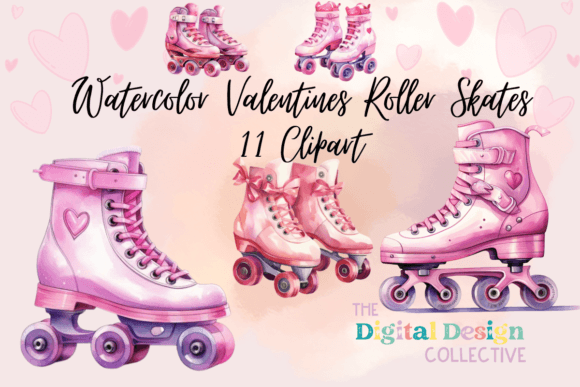
When I first opened the Watercolor Valentine's Roller Skates machine embroidery design, I wasn't just looking for a cute seasonal motif; I was evaluating its structural integrity for commercial production. As someone who manages a small shop product line and fulfills custom apparel orders, I have learned that digital aesthetics do not always translate to physical thread. This specific illustration caught my eye because it bridges the gap between nostalgic retro vibes and modern handmade trends, but my primary concern was whether the watercolor effect would survive the digitizing process without becoming a dense, stiff patch of thread.
My immediate impression was positive regarding the layout. The composition feels balanced rather than top-heavy, which is crucial when placing designs on curved surfaces or smaller garments. The mood is undeniably playful yet soft, avoiding the harsh, saturated reds that can sometimes make holiday embroidery look cheap or mass-produced. Instead, the blending suggests a painterly quality that appeals to customers looking for boutique-style items. However, as with any design categorized under Illustrations, the true test lies in how the stitch density interacts with fabric texture and stabilizer choices during actual production.
Real-World Application: The Sweatshirt Test
To properly evaluate this embroidery file, I simulated a real client scenario: creating a personalized gift for a customer wanting a vintage-inspired Valentine’s sweatshirt. Sweatshirts are a staple for Etsy sellers and craft business owners during the winter season, but they present unique challenges due to their stretch and pile. I chose a mid-weight cotton fleece in a dusty rose shade to see how the design’s transparency and color blending would perform against a colored background rather than standard white.
The stitching process revealed that the designer understood the importance of flow. The transition between the satin stitch outlines and the fill stitch areas was smooth, minimizing unnecessary trims and jumps. This is a massive time-saver for commercial embroidery where efficiency equals profit. On the sweatshirt, the watercolor shading effect relied heavily on thread color contrast and layering. Because the design uses varying densities to mimic paint washes, it maintained the garment's drape. A common failure point in complex illustrations is excessive density that creates a "bulletproof vest" effect on the chest; fortunately, Watercolor Valentine's Roller Skates avoided this pitfall, resulting in a finished product that felt high-end and wearable.
Fabric Compatibility and Stabilizer Strategy
While the design performed beautifully on fleece, my assessment suggests caution when applying it to different substrates. The nature of watercolor-style digitizing often involves lighter fill stitches to create highlights. This makes the design sensitive to fabric texture and stability.
- Tote Bag Design & Canvas: This is an ideal application. The natural weave of canvas complements the artistic style, and the fabric is stable enough to support detailed running stitch accents without puckering. For tote bags, I recommend a medium-weight cutaway stabilizer to prevent the design from distorting when the bag is loaded with groceries.
- Baby Embroidery & Onesies: Proceed with care. Baby clothes require frequent washing and direct skin contact. While the visual appeal is perfect for nursery decor or holiday outfits, you must verify the stitch count and density. If the design is too dense, consider resizing it down or using a tear-away topping to keep the stitches from sinking into knit fabrics. Always test washability before selling baby items.
- Kitchen Towels & Tea Towels: Textured terry cloth or waffle weave can obscure fine details. If using this design for kitchen linens, use a water-soluble topping to ensure the delicate shading remains visible above the fabric pile.
- Caps and Curved Surfaces: The shape of the roller skates is relatively compact, making it a candidate for hat embroidery. However, ensure your hoop size accommodates the vertical height without crowding the brim. Cap backing must be rigid to support the satin stitch borders.
Commercial Viability for Makers and Sellers
For creative entrepreneurs and digital product sellers, the value of an embroidery project extends beyond personal enjoyment. It must be sellable. Watercolor Valentine's Roller Skates possesses strong "giftability." It strikes a balance that appeals to multiple demographics: teenagers wanting retro aesthetic custom apparel, parents seeking unique holiday gifts, and adults looking for nostalgic patches. This versatility increases the return on investment for the digital embroidery file.
From a branding perspective, this design elevates perceived value. Generic clip-art hearts are ubiquitous, but an illustrated, artistic interpretation signals professionalism. When listing products on platforms like Etsy, the nuance in the stitching photographs well. The interplay of light and shadow in the thread work creates depth in product photos, which drives buyer engagement. For those selling printable mockups or design assets, this style serves as an excellent example of how traditional art concepts can be successfully adapted for machine embroidery.
Critical Designer Notes and Pre-Stitch Checklist
Before you load this design into your machine for a paid order or final product, adhere to these professional best practices. Even the best digitized files require operator judgment based on specific variables.
- Verify Licensing Terms: Before listing any finished product or modified version, confirm the license included with the embroidery file. Ensure you have commercial rights for both physical goods and potential digital modifications if you plan to incorporate it into larger design assets.
- Test on Scrap Fabric First: Never assume settings transfer perfectly between machines. Run a test stitch-out on the exact fabric and stabilizer combination you intend to use. Check specifically for registration issues where the satin stitch border meets the fill stitch.
- Evaluate Thread Color Contrast: Watercolor effects depend on subtle shifts in hue. If you are substituting thread colors, do so in groups. Changing one shade might flatten the 3D effect. Compare light and dark fabric backgrounds; you may need to add an underlay base on dark fabrics to prevent the background color from muddying the pastel tones.
- Check Small Details: Inspect tiny lettering or intricate lace-like elements within the skates. If scaling the design down significantly, these areas may become illegible or cause needle breaks. There is usually a minimum safe size for complex illustrations; respect it to maintain clarity.
- Mockup Testing: Create black and white mockups alongside color versions. This helps identify if the design relies solely on color for definition or if the value structure holds up on its own. This is particularly useful for marketing to customers who prefer monochrome or neutral aesthetics.
- Stabilizer Selection: Do not skimp here. For stretchy fabrics like sweatshirts or baby clothes, use a no-show mesh or poly-mesh cutaway. For woven fabrics like aprons or pillow covers, a standard fusible or tear-away may suffice, but always prioritize preventing hoop burn and distortion.
Final Verdict on Production Value
Watercolor Valentine's Roller Skates is more than just a seasonal novelty; it is a robust design asset capable of anchoring a Valentine’s collection. Its strength lies in the successful translation of an artistic illustration into functional stitch data that respects the limitations and strengths of machine embroidery. Whether you are an experienced apparel decorator expanding your holiday catalog or a hobbyist crafting a meaningful personalized gift, this design offers a reliable foundation.
Success with this file ultimately depends on respecting the technical requirements of watercolor digitizing. By paying attention to stabilizer choice, fabric compatibility, and thread selection, you ensure the finished product matches the digital promise. In a market saturated with generic holiday content, offering a piece with genuine artistic character and professional execution is what builds customer trust and distinguishes your handmade business. Just remember to check the specific file specifications provided by the digitizer regarding hoop size and format compatibility before purchasing, as these details vary by seller. With proper preparation, this design is poised to become a profitable and beloved addition to your embroidery library.