Watercolor Rock Borders: An Embroidery Review
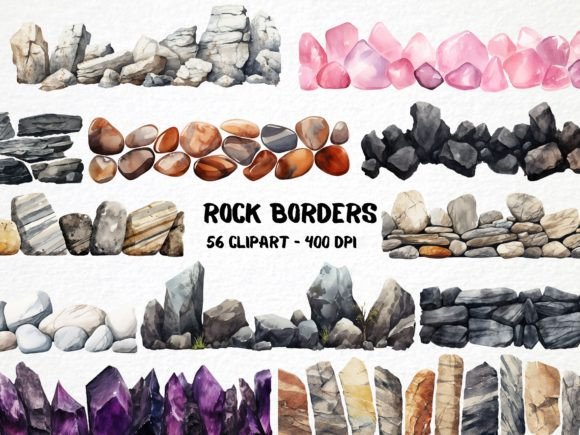
As a professional embroidery designer and product reviewer, I approach every new digital asset with a specific question: will this actually stitch out beautifully on real fabric? When evaluating the Watercolor Rock Borders Clipart Bundle, my focus shifts immediately from screen aesthetics to needle performance. These illustrations possess a distinct, organic charm that feels perfect for boho nursery items, outdoor-themed apparel, and earthy home decor. However, translating the soft, blended edges of watercolor art into thread requires careful planning. This review breaks down how these design assets perform in a commercial or hobbyist embroidery setting, ensuring your finished product meets customer expectations.
First Impressions and Design Personality
The visual mood of this bundle is undeniably grounded and natural. Unlike sharp, geometric vector art, these rock borders offer a hand-painted softness that translates well to textured fabrics like linen, canvas, and cotton twill. As illustrations, they carry a whimsical yet mature aesthetic, avoiding the overly cartoonish look that can sometimes alienate adult buyers in the handmade market. For an Etsy seller or boutique owner, this style bridges the gap between trendy boho and timeless nature themes.
From a digitizing perspective, the "watercolor" effect implies varying opacity and color blending. In machine embroidery, we cannot print ink; we must simulate this through thread layering and stitch density. The success of this bundle depends entirely on how the original artist handled these transitions. If the clipart relies heavily on subtle gradients, you may need to utilize specialized watercolor embroidery techniques or blend multiple thread colors to avoid a blocky, unnatural appearance. The shapes themselves appear organic, which is forgiving for alignment but demands attention to edge definition when converting to a satin stitch or fill stitch.
Real-World Application: The Custom Tote Bag Test
To truly evaluate utility, I mentally placed the Watercolor Rock Borders Clipart Bundle onto a heavyweight canvas tote bag—a staple for craft businesses and personalized gifts. Totes provide a stable, flat surface ideal for border designs. In this scenario, the rocks would serve as a bottom hem accent or a framing element for central monogramming.
For this project, the design’s irregular edges are an asset. A rigid, straight line often highlights slight hooping imperfections on canvas. The organic shape of the rock border hides minor shifting, making the final embroidered patch look intentionally rustic rather than flawed. However, because tote bags endure significant wear, stitch density becomes critical. If the watercolor effect was achieved through sparse running stitches to mimic brush strokes, the design might snag or pull apart during use. I would recommend verifying that the base has adequate underlay or a denser fill stitch foundation to anchor those decorative top threads securely into the fabric texture.
Best Use Cases for Commercial and Personal Projects
Beyond totes, this bundle shows strong potential across several categories for small shop products and custom apparel:
- Nursery Decor and Baby Embroidery: The soft palette and natural theme make these ideal for baby blankets, crib sheets, and onesies. The organic shapes feel safe and gentle, perfect for personalized gifts celebrating new arrivals.
- Outdoor and Hiking Apparel: Sweatshirt embroidery featuring these borders appeals to the nature-loving demographic. They work exceptionally well as cuff accents or yoke details on fleece and French terry fabrics.
- Home Textiles: Tea towels, pillow covers, and aprons benefit from the border format. The horizontal orientation naturally suits hemlines and placemat edges.
- Digital Product Previews: For sellers offering printable mockups or digital embroidery files, these illustrations provide high-value visual assets. They allow customers to visualize the end result before purchasing the actual stitch file.
In each case, the design adds perceived value. Customers associate detailed, artistic embroidery with higher quality than generic stock designs. Using unique illustrations like these helps establish brand consistency and recognition for creative entrepreneurs.
Critical Considerations for Fabric and Hoop Size
While versatile, the Watercolor Rock Borders Clipart Bundle requires caution in specific contexts. Not all fabrics handle watercolor-style digitizing equally well.
Fabric Texture and Stability
Avoid using these designs on high-pile fabrics like terry cloth or plush minky without proper modification. The intricate details meant to simulate paint strokes will sink into the pile, resulting in a muddy, undefined finish. Similarly, stretchy knits require significant stabilization. If the border is too dense, it can cause puckering; if too light, the fabric may distort. Always pair these designs with appropriate stabilizer choices—cut-away for knits, tear-away for wovens—to maintain registration.
Hoop Size and Scaling Limitations
Border designs often tempt makers to resize. Be wary of scaling down watercolor art. Small details that look beautiful at 4 inches wide may turn into thread nests at 2 inches. Conversely, enlarging the design beyond its intended resolution can expose gaps in the fill stitch or make satin stitches dangerously wide. Always check the recommended hoop size and maximum dimensions provided by the digitizer. If you must resize, do so within a 10-15% margin and run a test stitch-out.
Dark vs. Light Fabrics
Watercolor effects rely on contrast. On white or cream fabric, the design likely pops as intended. On dark navy or black garments, however, the lighter thread colors used to simulate transparency may disappear or require a white underlay base. This changes the hand-feel of the embroidery, making it stiffer. Test on both light and dark backgrounds before committing to a production run for your Etsy listings.
Professional Designer Notes for Success
To ensure your handmade product or commercial embroidery project succeeds, follow these practical steps before stitching on final goods:
- Verify Licensing Terms: Before selling finished items or distributing digital embroidery files, confirm the license allows for commercial use. Some illustration bundles are for personal use only.
- Test Stitch Density: Run a sample on scrap fabric identical to your final project. Check the back of the embroidery; excessive bobbin thread showing on top indicates tension issues or density problems specific to this design.
- Thread Color Matching: Watercolor art often uses specific shades. Compare your thread chart to the digital file. Sometimes swapping one green for a more muted sage makes the difference between "digital art" and "embroidered masterpiece."
- Mockup Validation: Use printable mockups to show clients how the border interacts with other elements. This manages expectations regarding scale and placement.
- Check File Compatibility: Ensure the embroidery file format matches your machine. While most bundles include standard formats like PES, DST, or JEF, always verify before purchase.
Elevating Your Embroidery Business
The Watercolor Rock Borders Clipart Bundle represents a valuable asset for makers seeking to differentiate their work. Its strength lies in its ability to soften the mechanical nature of machine embroidery, bringing an artistic, hand-touched quality to custom apparel and home goods. By understanding the technical requirements of translating watercolor illustrations into thread, you protect your reputation and deliver products that delight customers.
Remember, great embroidery is a marriage of art and engineering. Treat this bundle not just as pretty pictures, but as a technical blueprint requiring respect for fabric physics and stitch mechanics. When executed correctly, these borders transform simple blanks into cherished, professional-grade creations that stand out in a crowded marketplace. Whether you are crafting a personalized gift for a friend or stocking your shop for the holiday season, this collection offers the versatility and aesthetic appeal needed for modern embroidery success.