Watercolor Red Pandas Clipart Bundle Review
As an embroidery digitizer and product reviewer, I approach every new asset with a specific question: will this actually stitch out well, or is it just a pretty picture? When evaluating the Watercolor Red Pandas Clipart Bundle for potential use in my shop and client projects, I looked past the initial charm to assess its technical viability for machine embroidery. These illustrations possess a soft, whimsical aesthetic that immediately suggests nursery decor and personalized gifts, but translating watercolor art into thread requires careful consideration of stitch density, fabric texture, and design complexity.
First Impressions and Artistic Translation
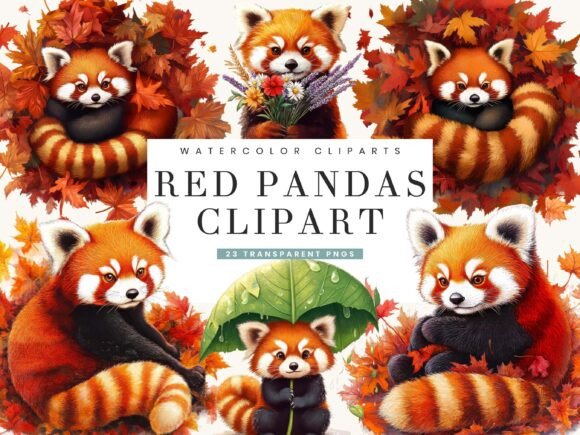
The visual personality of this bundle is undeniably sweet. The red pandas are rendered with gentle gradients and organic shapes that mimic traditional painting. For an embroidery designer, this presents both an opportunity and a challenge. Watercolor effects rely on color blending, which in machine embroidery must be achieved through thread blending or specialized fill stitches rather than ink bleeding. The mood is perfect for baby embroidery, holiday embroidery, and boutique branding aimed at parents or nature lovers. However, because these are originally digital illustrations, they lack inherent stitch paths. Before committing this to a sweatshirt embroidery project or a tote bag design, you must determine if the artwork has enough defined edges to support satin stitch borders or if it requires a more painterly fill stitch approach to maintain that watercolor illusion without becoming bulletproof.
Real-World Application: The Custom Tote Bag Test
To truly evaluate this bundle, I mentally walked through a recent client request for a custom embroidered tote bag featuring a woodland theme. The client wanted a red panda that felt hand-painted rather than cartoonish. This is where the Watercolor Red Pandas Clipart Bundle shines conceptually, but demands technical precision during execution. Canvas tote bags have a distinct fabric texture that can interfere with fine details. If I were digitizing one of these pandas for this specific handmade product, I would avoid tiny running stitch details that might get lost in the weave of the canvas.
Instead, I would focus on larger color blocks using variegated thread colors to simulate the watercolor wash. The goal is to create a finished product that looks intentional and professional, not like a failed print. For Etsy sellers and small shop owners, this distinction matters. A crisp, well-digitized interpretation of these illustrations builds customer trust and justifies a higher price point for commercial embroidery items. Conversely, a muddy stitch-out on a textured surface devalues the brand. In this scenario, the bundle serves as excellent source material for applique design, where the panda shape is cut from cotton fabric and the watercolor effect is added via minimal decorative stitching, preserving the softness while ensuring durability on a bag that will face daily wear.
Navigating Fabric Constraints and Hoop Sizes
While these illustrations are versatile, they are not universally forgiving. I advise extreme caution when applying designs derived from this bundle to stretchy fabrics like jersey knits or performance wear without significant modification. Watercolor styles often require higher stitch counts to achieve shading, and placing dense fill stitch areas on unstable fabric leads to puckering and distortion. Even with high-quality stabilizer, the weight of the embroidery might drag down a lightweight t-shirt. For custom apparel on thinner materials, consider simplifying the design or reducing the overall size to match the appropriate hoop size.
Dark fabrics also present a hurdle. Watercolor aesthetics typically rely on light backgrounds to show luminosity. Stitching these red pandas onto black or navy garments requires either a white underlay base (which adds bulk) or a complete reimagining of the color palette to ensure contrast. Without testing, the subtle rust and cream tones characteristic of red pandas may disappear entirely against dark cloth. Always run a test stitch-out on scrap fabric identical to your final project. Check thread color contrast under natural lighting before starting production runs for craft business inventory. Additionally, verify that small details like facial features remain legible at your intended size; what looks expressive on screen can become indistinguishable blobs when scaled down for a baby bib or cap.
Commercial Viability for Makers and Sellers
For creative entrepreneurs and digital product sellers, the value of this bundle extends beyond personal use. As design assets, these illustrations offer strong potential for printable mockups and digital embroidery file listings, provided you confirm licensing terms first. Never assume commercial rights; always check whether you can sell finished products, digital files, or both. Assuming proper clearance, these pandas align perfectly with current market trends for personalized gifts and nursery decor.
However, professionalism dictates transparency. If selling digital embroidery files based on these illustrations, clearly state the recommended fabric types, stabilizer requirements, and skill level needed. Buyers appreciate knowing if a design is suitable for beginners or requires advanced tension adjustments. For those selling physical goods, consistency is key. Using elements from the Watercolor Red Pandas Clipart Bundle across multiple product lines—matching pillow covers, blankets, and apparel—creates cohesive boutique branding. Just ensure each application is optimized for its specific substrate. A design perfect for a quilt block may need completely different digitizing parameters to work as an embroidered patch.
Essential Designer Notes for Success
Before loading any embroidery file derived from these illustrations into your machine, adhere to these practical checkpoints:
- Verify Licensing: Confirm whether the bundle allows for commercial embroidery, digital resale, or only personal use before listing any finished product or digital download.
- Test on Target Fabric: Never skip sampling. Stitch on the exact fabric and stabilizer combination planned for the final project to check for registration issues or texture interference.
- Evaluate Stitch Density: Watercolor effects can become overly dense. Use software to reduce density if necessary, especially for baby clothes or lightweight garments, to prevent stiffness.
- Check Small Details: Inspect eyes, whiskers, and fur texture at actual print size. Convert problematic running stitches to satin stitches or remove them entirely if they won't survive washing.
- Mockup in Black and White: View the design in grayscale to ensure value contrast exists independent of color. This reveals whether the image reads clearly before thread is even loaded.
- Confirm Hoop Compatibility: Ensure the design fits your machine’s maximum embroidery area with adequate margin for hooping. Resizing watercolor art disproportionately can distort the artistic effect.
- Plan Thread Colors Early: Watercolor relies on hue variation. Select thread colors beforehand and note them in your project documentation to maintain consistency across repeat orders.
The Watercolor Red Pandas Clipart Bundle offers genuine creative potential for embroidery projects when approached with technical mindfulness. Its strength lies in evoking warmth and nostalgia, making it ideal for meaningful handmade products. By respecting the translation process from illustration to stitch, and by testing rigorously for real-world application, makers can transform these charming digital assets into tangible, high-quality goods that resonate with customers and stand up to the demands of daily use. Remember that successful embroidery is always a marriage of art and engineering; let the beauty of the panda guide your creativity, but let your machine’s capabilities dictate your execution.