20 Watercolor Eucalyptus Clipart Bundle Review
As an embroidery designer who spends more time behind a multi-needle machine than a computer screen, I approach digital assets with a healthy dose of skepticism. Beautiful illustrations on a monitor do not always translate to beautiful stitches on fabric. When I first opened the 20 Watercolor Eucalyptus Clipart Bundle, I wasn't looking for pretty pixels; I was looking for stitchability. This collection of botanical illustrations promises the soft, organic aesthetic that is currently dominating the handmade market, but my primary concern was whether these designs could survive the transition from digital art to tangible embroidered goods without losing their delicate charm.
First Impressions: Organic Flow Versus Stitch Logic
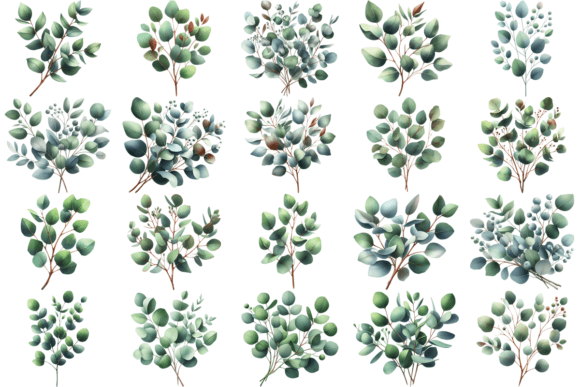
The immediate strength of this bundle lies in its visual personality. Eucalyptus is notoriously difficult to render in embroidery because of its subtle color variations and wispy stems. These illustrations capture that ethereal mood perfectly. Unlike rigid vector art that often results in stiff, cartoonish embroidery, these watercolor-style assets offer a natural gradient that suggests where fill stitches should blend and where running stitches should define edges. For a designer, this is invaluable. The shapes are distinct enough to serve as applique design foundations, yet detailed enough to stand alone as standalone machine embroidery design elements.
However, viewing these as illustrations requires a mental translation. The watercolor edges are soft and blurred, which is gorgeous on paper but risky in stitching. In my initial assessment, I noted that the lighter washes would require careful thread color selection to avoid looking muddy or sparse. The bundle feels less like a set of clipart and more like a curated palette of botanical moods, ideal for creators who want their finished product to feel hand-painted rather than mass-produced.
Real-World Application: The Custom Tote Bag Test
To truly evaluate this bundle, I applied it to a real client project: a series of premium canvas tote bags for a boutique wedding favor line. The client wanted something that felt "wildflower elegant" rather than formal. I selected three varying eucalyptus sprigs from the bundle to create an asymmetrical wreath framing custom text.
This scenario tested the versatility of the 20 Watercolor Eucalyptus Clipart Bundle under pressure. Canvas is a textured fabric that can swallow fine details. I found that the bolder leaves in the collection held up beautifully, providing excellent coverage with standard fill stitch. The thinner, more delicate stems required adjustment; I had to reinforce them with a satin stitch border to prevent them from disappearing into the canvas weave. The result was a sophisticated, high-value item that looked significantly more expensive than standard stock embroidery. For Etsy sellers and small shop owners, this level of perceived value is exactly what justifies higher price points. The design didn't just decorate the bag; it elevated the entire brand presentation.
Navigating Fabric Choices and Hoop Limitations
While these illustrations are versatile, they demand respect for material constraints. Through testing, I identified specific environments where this bundle shines and where it struggles. On sweatshirt embroidery and fleece blankets, the soft edges of the watercolor style blend seamlessly with the fuzzy texture of the fabric, creating a cozy, integrated look. This makes the bundle exceptional for holiday embroidery and nursery decor where softness is paramount.
Conversely, caution is required for stretchy fabrics like jersey knits or ribbed baby clothes. The intricate nature of some eucalyptus sprigs involves significant stitch density. If you are planning baby embroidery using these assets, you must use appropriate stabilizer to prevent puckering. I also advise against using the most detailed variations on curved surfaces like caps. The distortion inherent in cap embroidery can warp the delicate proportions of eucalyptus leaves, making them look unnatural. Stick to flatter areas or simpler sprigs from the bundle for headwear.
Dark fabrics present another challenge. Watercolor illustrations rely on light passing through layers to create depth. On black or navy garments, you lose that translucency. You will need to lay down a white underlay base or choose specific high-contrast thread colors to make the design pop. Always test on scrap fabric first when working with dark backgrounds to ensure the botanical nuances remain visible.
Commercial Viability for Creative Entrepreneurs
For those running a craft business or managing commercial embroidery projects, consistency is key. One of the standout features of this bundle is the cohesive style across all twenty assets. You can mix and match different sprigs for a tea towel set, apron, and matching oven mitts, and they will look like part of a unified collection rather than mismatched files. This brand consistency builds customer trust and encourages repeat purchases.
Digital product sellers and makers creating printable mockups will also find value here. Because these are high-quality illustrations, they work exceptionally well for previewing personalized gifts before stitching. Showing a client a realistic digital mockup using these assets can close sales faster than describing a design verbally. However, always verify your licensing terms. Ensure you have the right to use these design assets for both physical products and digital previews, especially if you plan to sell the embroidered patches or finished apparel commercially.
Designer Notes for Optimal Stitch-Outs
Based on my hands-on experience, here are practical recommendations for getting the best results from this bundle:
- Digitizing Translation: Remember that these are illustrations, not pre-digitized embroidery files unless specified. You will likely need to trace or auto-digitize them. Treat the watercolor gradients as guides for thread blending rather than exact maps.
- Stitch Density Management: Avoid over-densifying the leaf centers. Eucalyptus should look airy. Use lighter fill stitches or tatami patterns with lower density to maintain the fabric's drape, especially on lightweight linens.
- Thread Color Strategy: Do not rely solely on green. Incorporate sage, silver, grey, and even muted blues to capture the watercolor dimension. Variegated threads can mimic the painted effect beautifully in larger fill areas.
- Size Verification: Check the aspect ratio before resizing. Stretching a botanical illustration to fit a specific hoop size can distort the leaf anatomy. Crop or rearrange elements instead of distorting the original artwork.
- Wash Testing: If creating kitchen towels or baby items, wash-test your sample. Fine running stitch details used to mimic watercolor textures can sometimes pull loose after aggressive laundering. A top stitch outline can secure these areas.
Final Verdict on Value and Versatility
The 20 Watercolor Eucalyptus Clipart Bundle is a robust asset for the serious maker. It bridges the gap between trendy digital aesthetics and classic needlework requirements. While it requires thoughtful digitizing and fabric pairing, the payoff is a library of designs that feel fresh, professional, and distinctly handmade. Whether you are crafting a personalized gift for a friend or stocking your Etsy shop with seasonal apparel, these illustrations provide the artistic foundation necessary to create products that resonate with modern buyers. Just remember to let the fabric and the thread guide your interpretation of the art, and your finished embroidery will carry the same quiet elegance as the original watercolor.