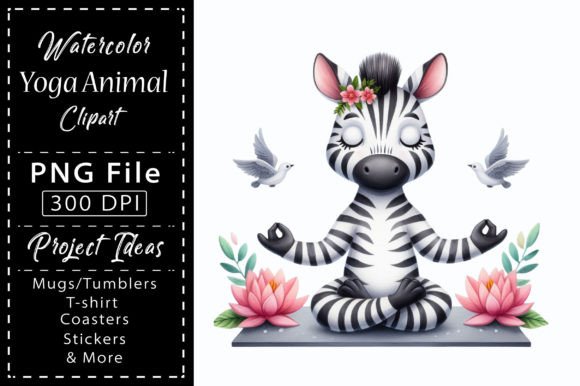
Watercolor Yoga Animal Clipart: Illustrations for Wellness Brands
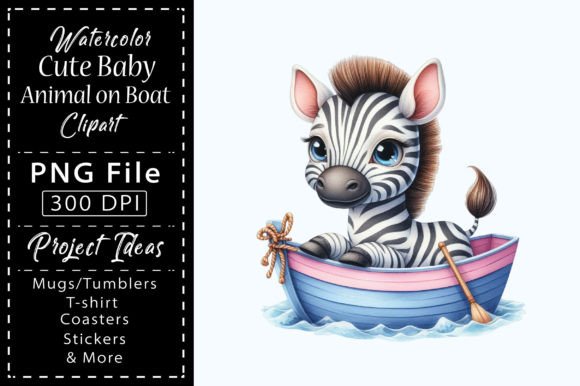
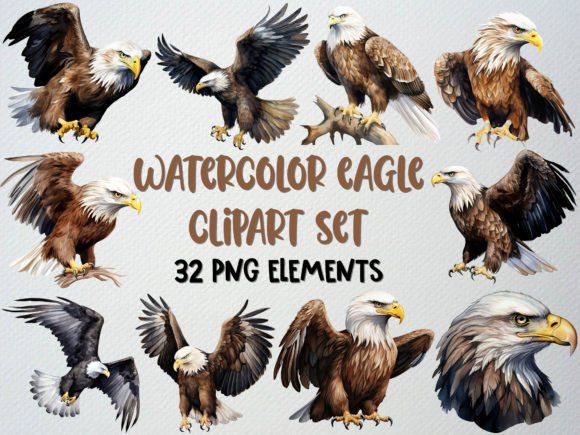
When evaluating a new graphic design asset for a client in the wellness space, my primary concern is always emotional resonance. For a recent project involving a boutique yoga studio launching a seasonal mindfulness workshop series, I needed visuals that bridged the gap between playful engagement and professional serenity. This is where Watercolor Yoga Animal Clipart becomes a critical consideration. Upon first inspection, these illustrations immediately establish a soft, organic mood that rigid vector art often fails to capture. The hand-painted texture suggests authenticity and human touch, which is essential for small business branding in the holistic health sector. Unlike generic stock vectors, this clipart carries an inherent warmth that aligns perfectly with the values of a handmade business or a community-focused studio.
Evaluating Visual Tone for Mindfulness Projects
In the context of my client’s rebrand, the goal was to move away from sterile, clinical aesthetics toward something more nurturing. Watercolor Yoga Animal Clipart succeeds here because the medium itself communicates relaxation. The bleeding edges and translucent layers mimic the fluidity of yoga practice. When I integrated these assets into the initial mood board, they instantly softened the overall visual hierarchy. For marketers and content creators, this style serves as an excellent visual anchor. It signals to the audience that the brand is approachable rather than intimidating. However, as a designer, I must note that this specific aesthetic dictates the entire color palette. You cannot force these illustrations into a neon or high-contrast corporate scheme; they demand earth tones, pastels, and ample negative space to breathe. If your client requires a bold, aggressive marketing campaign, this asset may not be the right fit. But for editorial design, blog visuals, or invitation suites, the tone is impeccable.
Practical Application Across Print and Digital Media
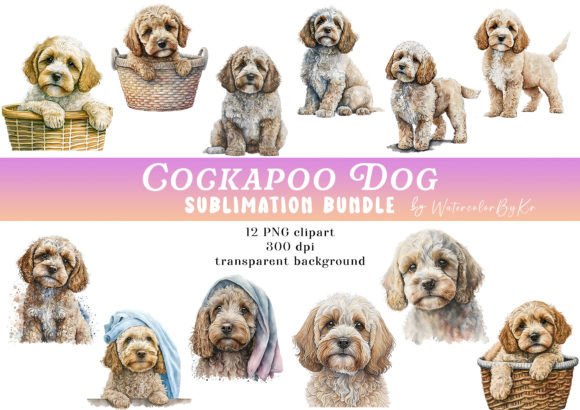
Versatility is the hallmark of any valuable design bundle. During the concept phase for the yoga studio, I tested Watercolor Yoga Animal Clipart across multiple touchpoints to gauge its real-world utility. For social media graphics, specifically Instagram carousels and Pinterest pins, the clipart performed exceptionally well as a decorative frame element. It added visual interest without competing with the headline text. In terms of physical products, I explored its viability for t-shirt design and tote bags intended for retail sale. The watercolor texture translates beautifully to direct-to-garment printing and sublimation design, provided the resolution is sufficient. For print-on-demand sellers, this is a significant advantage, as the organic imperfections of watercolor hide minor printing inconsistencies better than sharp line art.
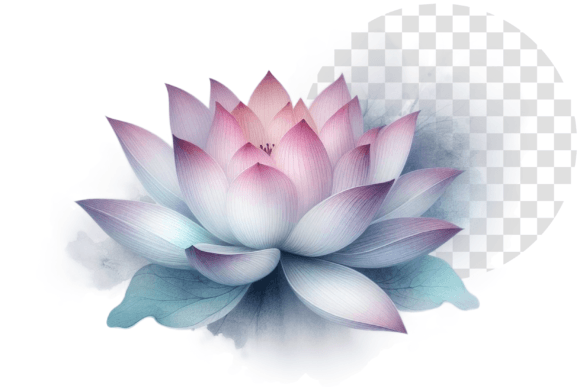
I also evaluated the asset for packaging design and product labels. On a matte paper stock for tea sachets or candle labels, the clipart elevated the perceived value of the product. It transformed a simple container into a piece of artisanal merchandise. For digital sellers creating Canva templates, these illustrations offer end-users an easy way to customize wellness planners or journals without needing advanced illustration skills. The transparency of the PNG design files allowed for seamless layering over textured backgrounds, making them ideal for sticker design and printable wall art. However, when testing for Cricut projects, I found that intricate watercolor details can sometimes be lost in vinyl cutting. Users should look for SVG design versions with simplified paths if they intend to use these for physical die-cutting, or reserve the detailed raster versions for print transfers only.
Navigating Layout Constraints and Hierarchy
While aesthetically pleasing, Watercolor Yoga Animal Clipart requires disciplined layout management. In my experience designing the workshop flyers, I learned quickly where this asset shines and where it struggles. These illustrations work best as hero graphics or supportive accents. They are fantastic for filling awkward negative space in a vertical layout or serving as a watermark behind elegant typography. However, they should be used with extreme caution in crowded layouts. Because watercolor lacks hard outlines, it can visually dissolve against complex backgrounds. I strongly advise against placing these animals over busy photography or patterned textures unless there is a solid color block separating them.
Readability is another non-negotiable factor. When using these assets in web design or digital ads, ensure the illustration does not interfere with call-to-action buttons or essential copy. The soft edges can sometimes blur the distinction between foreground and background. For brand identity work, such as logo design, treat these illustrations as secondary marks or mascots rather than primary logotypes. They lack the scalability and geometric precision required for a main logo but add immense character to supporting brand elements like business cards, email signatures, and thank-you notes. Maintaining this distinction preserves visual trust and professionalism while still leveraging the emotional appeal of the artwork.
Technical Due Diligence for Commercial Use
Before committing Watercolor Yoga Animal Clipart to a final deliverable, every professional designer must perform technical validation. Aesthetics alone do not guarantee a successful commercial design. My pre-flight checklist for this asset included several critical steps. First, I tested the files in black and white. While watercolor relies on hue, the underlying values must still hold up for monochrome applications like newspaper ads or embossing. I also checked contrast ratios against both light cream and dark charcoal backgrounds to ensure visibility across different website themes and packaging options.
File integrity is paramount. I inspected the PNG transparency to ensure there were no jagged halos or residual white pixels that would ruin a dark t-shirt design. For clients requesting editable materials, I verified whether the set included true vector files or just high-resolution rasters. While raster is fine for print, vectors are necessary for large-format signage or scalable web icons. Typography pairing was another test; I found that these illustrations harmonize best with modern serif fonts or clean sans serif typefaces. Overly ornate script fonts tend to clash with the organic brushwork, creating visual noise. Finally, and most importantly, I reviewed the commercial license. For a client selling merchandise on Etsy or using the designs in paid advertising, confirming the licensing terms protects both the designer and the business owner from legal issues. Always verify if attribution is required or if there are limits on the number of units sold.
Strategic Value for Creative Marketplaces
Beyond individual client projects, Watercolor Yoga Animal Clipart holds strategic value for creators operating within the creative marketplace. For digital sellers, incorporating this style into a design bundle can significantly increase perceived value. Buyers are constantly seeking cohesive collections that allow them to build a complete visual system. By offering matching social media templates, printable planners, and merchandise mockups featuring consistent animal characters, you solve a major pain point for non-designers. The key is consistency; the brush texture, color saturation, and anatomical style must remain uniform across all assets.
For bloggers and publishers, these illustrations serve as evergreen content enhancers. Unlike trendy 3D renders or AI-generated imagery that can feel dated quickly, traditional watercolor styles possess a timeless quality. They support long-form content about mental health, fitness routines, and lifestyle topics without distracting the reader. When used correctly, they improve dwell time by breaking up text and providing visual rest points. Ultimately, whether you are a seasoned agency designer or a solo entrepreneur, Watercolor Yoga Animal Clipart offers a unique blend of artistic charm and functional versatility. It transforms standard commercial design into something that feels personal, curated, and deeply aligned with the ethos of modern wellness culture. Just remember to respect the medium's limitations, validate your technical specs, and always prioritize the user's reading experience alongside the visual beauty.