Watercolor Tulip Flower Bouquet Clipart Review
As an embroidery designer who has digitized and stitched out countless floral motifs, I approach new digital assets with a healthy dose of skepticism. Beautiful screen art does not always translate to beautiful needlework. When I first examined the Watercolor Tulip Flower Bouquet Clipart, I wasn't just looking at pretty petals; I was mentally deconstructing the image into stitch types, density maps, and fabric compatibility. For fellow Etsy sellers, craft business owners, and makers, this review breaks down how this specific illustration performs when moved from a digital folder to a physical embroidery hoop.
First Impressions: Soft Aesthetics vs. Stitch Reality
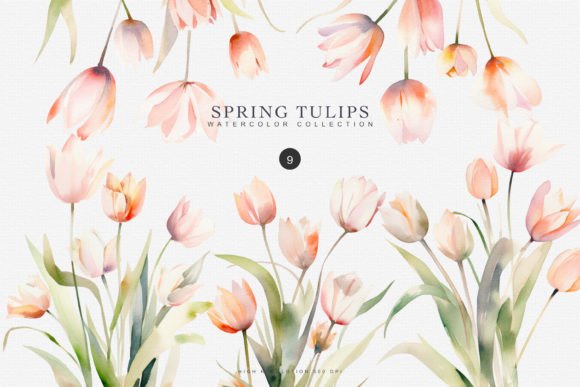
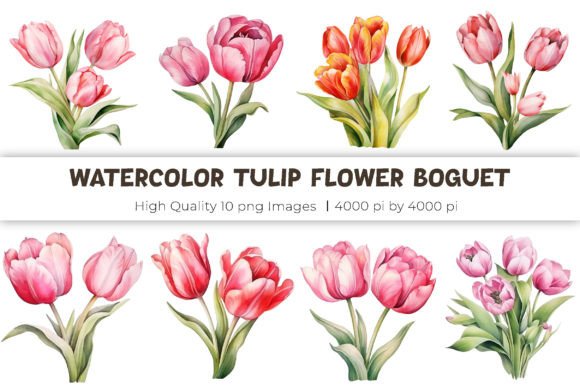
The immediate appeal of this Watercolor Tulip Flower Bouquet Clipart lies in its organic, painterly quality. Unlike rigid vector art, the edges are soft and blended, creating a romantic, vintage mood that is currently trending in the handmade market. However, as a professional, my first thought was about translation. Watercolor effects rely on color blending, whereas machine embroidery relies on thread layering. This design succeeds because the distinct separation between the tulip heads, stems, and leaves allows for clear stitch definition. The layout is balanced but asymmetrical, which prevents the "sticker" look that often plagues floral embroidery files. It feels like a deliberate composition rather than a generic clipart paste-up, making it suitable for high-end personalized gifts and boutique branding.
Real-World Application: Stitching a Spring Tote Bag
To truly evaluate this asset, I applied it to a real-world project: a custom embroidered tote bag intended for a spring craft fair collection. Tote bags present unique challenges due to the canvas texture and the need for durability. I used this design as a centerpiece, scaling it to fit a 5x7 hoop size.
The results were promising for several reasons. The stem details, which could have been lost on textured fabric, held up well because the line weight in the original illustration was substantial enough to support a satin stitch or a heavy running stitch without disappearing into the weave. The tulip blooms offered enough surface area for fill stitches that mimicked the watercolor wash effect without requiring excessive density. This is crucial for tote bag embroidery; if the stitch count is too high, the bag becomes stiff and puckers. This design struck a balance, maintaining the drape of the canvas while delivering the visual impact needed to catch a customer’s eye across a vendor table. For small shop products like this, the design provided that essential "handmade" warmth that mass-produced items lack.
Best Use Cases for Commercial and Personal Projects
Based on the structure and mood of this Watercolor Tulip Flower Bouquet Clipart, it excels in specific categories. If you are running a craft business or updating your Etsy listings, consider these high-value applications:
- Baby Embroidery and Nursery Decor: The soft aesthetic is perfect for onesies, bibs, and blankets. The design is gentle enough for infant items but detailed enough to justify a premium price point for personalized gifts.
- Spring and Holiday Embroidery: While obviously suited for spring, the classic tulip shape works beautifully for Easter merchandise and Mother’s Day custom apparel. It avoids being overly cartoonish, appealing to adult buyers as well.
- Home Textiles: Tea towels, pillow covers, and aprons benefit from the vertical orientation of the bouquet. It sits naturally on these items without requiring awkward rotation or resizing.
- Digital Product Previews: For those selling printable mockups or design assets, the clean lines and distinct color blocks make this easy to showcase in digital previews, helping buyers visualize the finished product before purchasing.
Navigating Fabric Limitations and Technical Constraints
No embroidery file is universal, and this design requires careful placement. During my testing, I noted areas where caution is necessary. The delicate nature of watercolor-style illustrations means they can struggle on highly textured fabrics like terry cloth or thick fleece unless you use an applique design technique or a topping stabilizer. On dark fabrics, the pastel tones typical of tulip clipart may require a white underlay base to prevent the fabric color from muddying the thread colors. Without this, the watercolor effect looks dull.
I would also advise against using this design on stretchy performance wear or thin silk without significant modification. The fill stitches required to replicate the watercolor shading add weight. On lightweight knits, this creates a heavy spot that distorts the garment. Similarly, curved surfaces like caps can be tricky; the vertical height of a bouquet often exceeds the usable area of a standard cap frame. Always confirm your hoop size and machine compatibility before committing to a production run. For caps, consider extracting just the tulip head or rearranging the elements horizontally.
Designer Notes: Ensuring Professional Results
Whether you are digitizing this yourself or purchasing a pre-digitized embroidery file based on this art, professional results depend on preparation. Here are my non-negotiable steps for using Watercolor Tulip Flower Bouquet Clipart successfully:
- Test on Scrap Fabric First: Never stitch directly onto a sellable item without a test run. Check how the thread colors interact. Does the green stem clash with the pink bloom? Adjust thread colors to match the specific palette of your brand.
- Evaluate Stitch Density: Watercolor implies transparency, but embroidery is opaque. Ensure the digitizer hasn't overcompensated with dense fill stitches. If the sample feels bulletproof, reduce the density or change the fill pattern to a tatami or motif fill to retain softness.
- Check Licensing for Commercial Use: Before listing any finished product or digital embroidery file for sale, verify the license terms of the original clipart. Confirm whether you can sell physical embroidered items versus digital files. Protecting your business starts with respecting intellectual property.
- Mockup Validation: Create a black and white mockup alongside a color version. This helps you see the value contrast. If the design looks flat in grayscale, it will likely look muddy when stitched. Adjust contrast in your digitizing software if necessary.
- Stabilizer Selection: Match the stabilizer to the end use. A tear-away might suffice for a tea towel, but a cut-away is mandatory for sweatshirt embroidery or baby clothes to prevent distortion after washing.
Impact on Brand Value and Customer Trust
In the saturated market of handmade goods, visual cohesion builds trust. Using high-quality illustrations like this Watercolor Tulip Flower Bouquet Clipart signals professionalism. Customers can distinguish between a rushed, pixelated transfer and a thoughtful, well-executed embroidery project. When the stitching clarity matches the beauty of the original art, it elevates the perceived value of your work. This is especially true for commercial embroidery clients who expect retail-ready quality.
Furthermore, consistent use of a specific artistic style helps build brand recognition. If your shop features this soft, botanical aesthetic across tote bags, patches, and apparel, customers begin to associate that look with your business. It transforms a single purchase into a potential collection. Just remember that the final output depends entirely on your technical execution. Treat this clipart as a blueprint, not a guarantee. With proper testing, appropriate fabric selection, and attention to stitch dynamics, this design has the potential to become a staple in your seasonal lineup, driving engagement and sales through genuine craftsmanship.