Watercolor Irish Guinness Beer Clipart Review
As a professional embroidery designer and product reviewer, I approach every new digital asset with a specific question: will this actually stitch out beautifully on fabric? When evaluating Watercolor Irish Guinness Beer Clipart, my focus shifts immediately from screen aesthetics to needle performance. This design falls under the Illustrations category, but for makers and small business owners, its true value lies in its translation to thread. The watercolor aesthetic suggests softness and artistic flair, yet beer iconography demands bold recognition. Balancing these two elements requires careful consideration of stitch density, fabric choice, and end-use application.
First Impressions and Artistic Mood
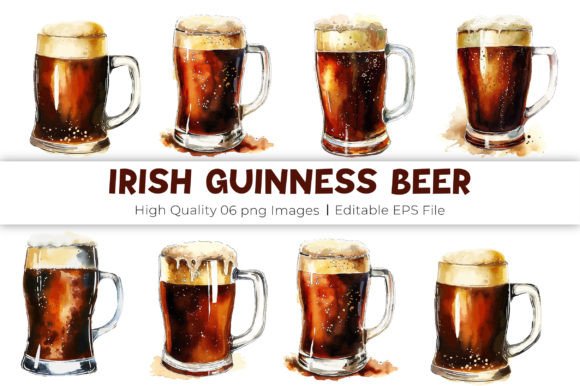
Upon opening the Watercolor Irish Guinness Beer Clipart file, the visual personality is distinct. It avoids the harsh, cartoonish look often associated with bar merchandise, opting instead for a painted, vintage-inspired feel. This mood is crucial for expanding your customer base beyond traditional pub-goers to include those who appreciate rustic farmhouse decor or boutique-style apparel. For an Etsy seller or handmade shop owner, this softer aesthetic allows the design to function as a lifestyle graphic rather than just a logo. However, watercolor effects in machine embroidery rely heavily on blending techniques. I immediately look for how the digitizer handled color transitions. If the design uses excessive jump stitches or lacks proper underlay to support the blended fill stitch areas, the "watercolor" effect could turn into a muddy mess on textured fabrics.
Real-World Application: The Custom Apron Test
To truly judge this design, I mentally placed it onto a real project: a custom embroidered apron for a boutique coffee and beer bar. This scenario tests both durability and visual appeal. An apron faces frequent washing, friction, and exposure to liquids. Using Watercolor Irish Guinness Beer Clipart here requires confidence in the stitch structure. On a canvas or denim apron, the design needs enough density to stand up against the coarse fabric texture without becoming bulletproof. If the clipart relies on delicate running stitch details to mimic brush strokes, they might get lost in the weave of heavy-duty apron material.
Conversely, if I were applying this as a sweatshirt embroidery design for retail sale, the concerns shift. Fleece and french terry are plush; they swallow fine detail. In this case, I would verify that the watercolor shading utilizes sufficient satin stitch or specialized fill patterns to sit on top of the nap. For a personalized gift like a groomsmen tote bag, the design’s size matters immensely. A large, sweeping watercolor graphic works beautifully on a natural cotton tote bag design, allowing the thread sheen to mimic paint. However, scaling this same design down for a pocket-sized patch requires checking if the intricate edges remain legible or if they blur into indistinct blobs.
Navigating Fabric Challenges and Technical Limits
Not every substrate is friendly to watercolor-style illustrations. Through years of commercial embroidery experience, I have learned where designs like this thrive and where they struggle.
- Textured and Thick Fabrics: Towels, fleece, and burlap can obscure the subtle gradients essential to the watercolor look. Always use a water-soluble topping to keep stitches visible.
- Stretchy Knits: Baby clothes and lightweight tees require caution. Dense fill stitch areas in a watercolor design can cause puckering or distortion. Ensure the embroidery file includes adequate compensation for stretch.
- Dark Backgrounds: Watercolor implies transparency. Stitching light, translucent-looking colors onto black fabric often results in a chalky appearance unless the digitizer included a white underbase layer. Check your preview carefully before committing to dark garments.
- Curved Surfaces: Caps and hats present unique challenges. If the Watercolor Irish Guinness Beer Clipart is wide or tall, it may distort when hooped on a curved surface. Verify the dimensions against your specific cap frame limits.
Impact on Product Value and Customer Trust
For creative entrepreneurs, the quality of your embroidery directly correlates to perceived brand value. A clean, well-executed stitch-out of Watercolor Irish Guinness Beer Clipart signals professionalism. Customers recognize when a design has been optimized for fabric versus simply converted from a JPEG. Poor registration, gaps between color blocks, or thread breaks erode trust instantly. When selling finished products or offering custom apparel services, using high-quality design assets ensures consistency. This reliability encourages repeat business and positive reviews. Furthermore, for digital product sellers offering printable mockups alongside embroidery files, accurate representation is key. Your mockup should reflect how the watercolor texture actually renders in thread, managing buyer expectations and reducing returns or disputes.
Essential Designer Notes for Success
Before loading this design into your machine for a client order or shop inventory, run through this practical checklist. These steps separate hobbyist results from professional-grade output.
- Verify Licensing First: Confirm whether the license permits commercial embroidery, digital resale, or both. Never assume usage rights based on the visual style alone.
- Test Stitch on Scrap: Always sew out the design on the exact fabric you intend to use for the final product. A test on quilting cotton does not predict performance on ribbed knit or linen.
- Analyze Stitch Density: Use your embroidery software to check density values. Watercolor styles can sometimes be overly dense. If the fabric is thin, consider reducing density by 10-15% to prevent stiffness.
- Check Thread Color Contrast: Watercolor relies on nuance. Ensure your chosen thread colors have enough contrast to define the shapes. Sometimes swapping a variegated thread for a solid improves clarity in small areas.
- Evaluate Stabilizer Pairing: Match stabilizer weight to the design complexity and fabric type. Cut-away stabilizer is generally safer for wearable items with detailed illustrations to prevent long-term distortion.
- Review Small Details: Zoom in on the digital file. Are there tiny isolated stitches that might cause needle breaks? Is the lettering (if any) large enough to stitch clearly? Modify or remove problematic elements before production.
- Mockup Realistically: Create black and white test prints or grayscale stitch previews to evaluate value contrast independent of color. This reveals structural weaknesses in the design layout.
Making the Final Decision
The Watercolor Irish Guinness Beer Clipart offers a versatile, artistic alternative to standard beverage logos, making it a strong candidate for holiday embroidery, wedding gifts, and boutique merchandise. Its success, however, depends entirely on your technical execution and appropriate application. By respecting the interplay between digital illustration and physical thread, you can transform this asset into a profitable, beautiful addition to your embroidery repertoire. Remember, the best design is one that respects the limitations of the medium while celebrating its unique tactile qualities. Always prioritize testing and verification to ensure your handmade products meet the high standards your customers expect.